Understanding Interface Design Icons: A Comprehensive Guide
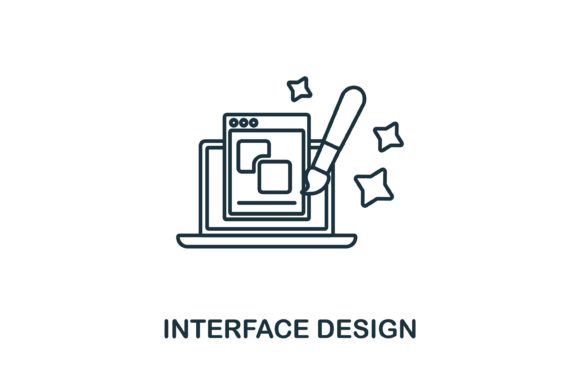
Interface Design Icons are a crucial element in the world of graphic design, serving as visual representations that enhance user experience and communication. These icons are specifically designed to be intuitive and easily recognizable, making them an essential component in various digital interfaces, from websites to mobile applications.
What Makes Interface Design Icons Distinct?
Interface Design Icons stand out due to their simplicity and clarity. They are crafted to be universally understood, transcending language barriers and cultural differences. Typically, these icons are part of a larger graphic design collection, which ensures consistency and coherence across different platforms and projects.
One of the key features of Interface Design Icons is their versatility. They can be used in infographics, web design, and other digital media. The icons are often available in multiple formats, such as EPS, JPG, AI, and SVG files, making them easy to edit and integrate into various design projects.
Comparing Interface Design Icons with Other Options
When comparing Interface Design Icons with other types of icons, several factors come into play. For instance, while some icons may be more detailed and complex, Interface Design Icons focus on minimalism and ease of use. This makes them particularly suitable for interfaces where quick recognition and action are necessary.
- Minimalist Design: Interface Design Icons are clean and simple, reducing cognitive load and enhancing user engagement.
- Versatility: Available in multiple file formats, these icons can be easily customized and used across different platforms.
- Consistency: Being part of a larger design collection, they help maintain a cohesive look and feel in your projects.
Strengths and Tradeoffs of Interface Design Icons
The primary strength of Interface Design Icons is their ability to convey information quickly and effectively. They are designed to be instantly recognizable, which is crucial in fast-paced digital environments. Additionally, their minimalist style contributes to a modern and professional aesthetic.
However, there are tradeoffs to consider. While the simplicity of Interface Design Icons is a significant advantage, it can also be a limitation in contexts where more detailed or expressive icons are needed. For example, in educational materials or detailed infographics, more complex icons might be more appropriate to provide additional context and detail.
Best-Fit Situations for Interface Design Icons
Interface Design Icons are ideal for projects where clarity and simplicity are paramount. They are particularly well-suited for:
- Web Design: Enhancing navigation and usability on websites and web applications.
- Mobile Applications: Providing intuitive and easily recognizable controls and actions.
- Infographics: Simplifying complex data and making it more accessible to a broader audience.
- User Interfaces: Improving the overall user experience by providing clear and consistent visual cues.
Limitations and Decision Factors
While Interface Design Icons offer many benefits, they may not be the best choice in every situation. For example, if your project requires highly detailed or stylized graphics, you might need to consider other options. Additionally, the availability of multiple file formats (EPS, JPG, AI, SVG) is a significant advantage, but it also means that designers need to be proficient in using these formats.
Decision factors to consider include:
- Project Requirements: Determine whether the minimalist style of Interface Design Icons aligns with your project's needs.
- Target Audience: Consider the preferences and expectations of your audience. Simplicity is generally appreciated, but some audiences may require more detailed visuals.
- Design Consistency: If maintaining a consistent design language is important, Interface Design Icons can be a valuable asset.
When to Choose Interface Design Icons
Interface Design Icons are the right choice when you need to create a clean, modern, and user-friendly interface. They are particularly effective in scenarios where quick recognition and ease of use are critical. For example, in e-commerce websites, mobile apps, and informational dashboards, these icons can significantly enhance the user experience.
On the other hand, if your project demands more detailed or stylized graphics, or if you need to convey more complex information, you may need to explore other icon sets or custom designs. It's important to evaluate the specific needs of your project and choose the option that best meets those requirements.
Making an Informed Decision
Choosing the right icons for your project is a critical step in the design process. Interface Design Icons offer a compelling solution with their minimalist design, versatility, and ease of use. By considering the strengths, tradeoffs, and best-fit situations, you can make an informed decision that enhances the overall quality and effectiveness of your design.
Whether you are designing a website, a mobile app, or an infographic, Interface Design Icons can be a valuable tool in your design toolkit. Just be sure to align your choice with the specific needs and goals of your project to achieve the best possible results.